Click Here to View This Page on Production Frontend
Click Here to Export Node Content
Click Here to View Printer-Friendly Version (Raw Backend)
Note: front-end display has links to styled print versions.
Content Node ID: 435503
The excitement around EAA AirVenture Oshkosh starts weeks before the annual summer extravaganza and persists throughout the week-long show, which this year took place from July 20 to 26. Although I have been to probably 20 or more Oshkoshes (sorry, but no one calls it AirVenture), for the first time I stayed for the entire event, and it was well worth it.
My trip to Oshkosh was somewhat complicated because I was helping out at AIN’s Corporate Aviation Leadership Summit (CALS) in Alexandria, Virginia, a few days before the show. I had to leave CALS on the second day to travel to New Jersey, where I was meeting my friend Craig Barnett (the Scheme Designers guy) and flying with him in his Cirrus SR22 to Oshkosh on the Friday before Oshkosh opened. All went smoothly, with a pleasant ride on Amtrak’s Acela train to Newark, an overnight at Craig’s house, and an early departure on Friday morning.
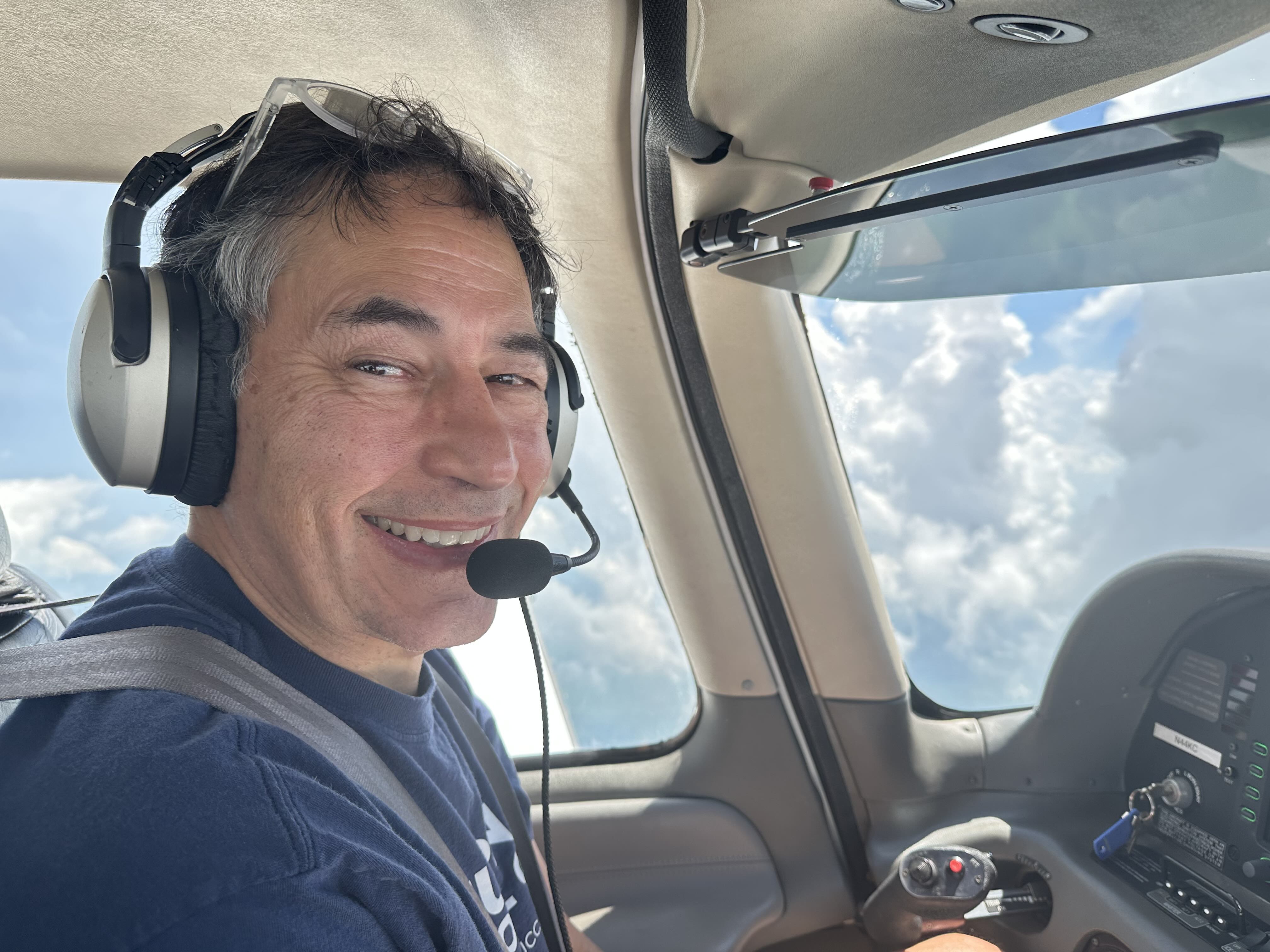
Smoke from the fires in Canada blanketed the East Coast all the way to Oshkosh and further west. Our first leg from Caldwell (KCDW), New Jersey, to Fort Wayne (KFWA), Indiana, on an IFR flight plan was not bad, although visibility at our fuel stop was about a half mile in smoke. The kind folks at Fort Wayne Aero Center fueled up the Cirrus while we grabbed some refreshments and charged our devices, then it was off to Oshkosh.
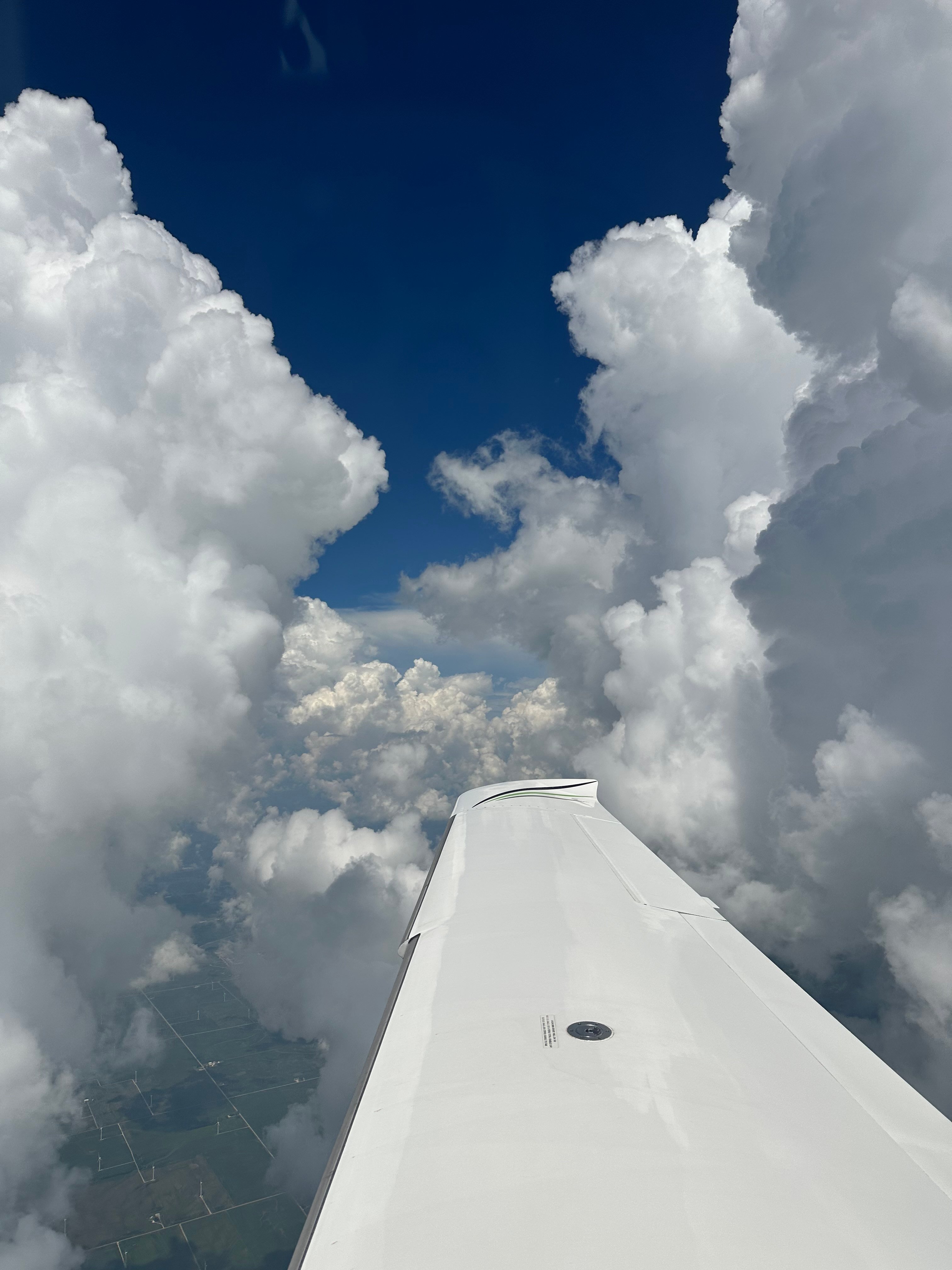
Craig had made an IFR reservation on the FAA’s Special Traffic Management Program website, although we weren’t sure if we would be strictly held to our reservation time. This turned out not to be an issue. Nevertheless, we did have to adhere to a flight plan that took us west of Chicago and then north to Oshkosh, and this placed us between some hefty thunderstorms.
Luckily, the air was clear of smoke soon after we left Fort Wayne, and we could easily see the optimum path between the buildups. We had hoped to go more directly, over Lake Michigan, but we would have had to do so VFR because the FAA wasn’t allowing IFR arrivals from that direction.
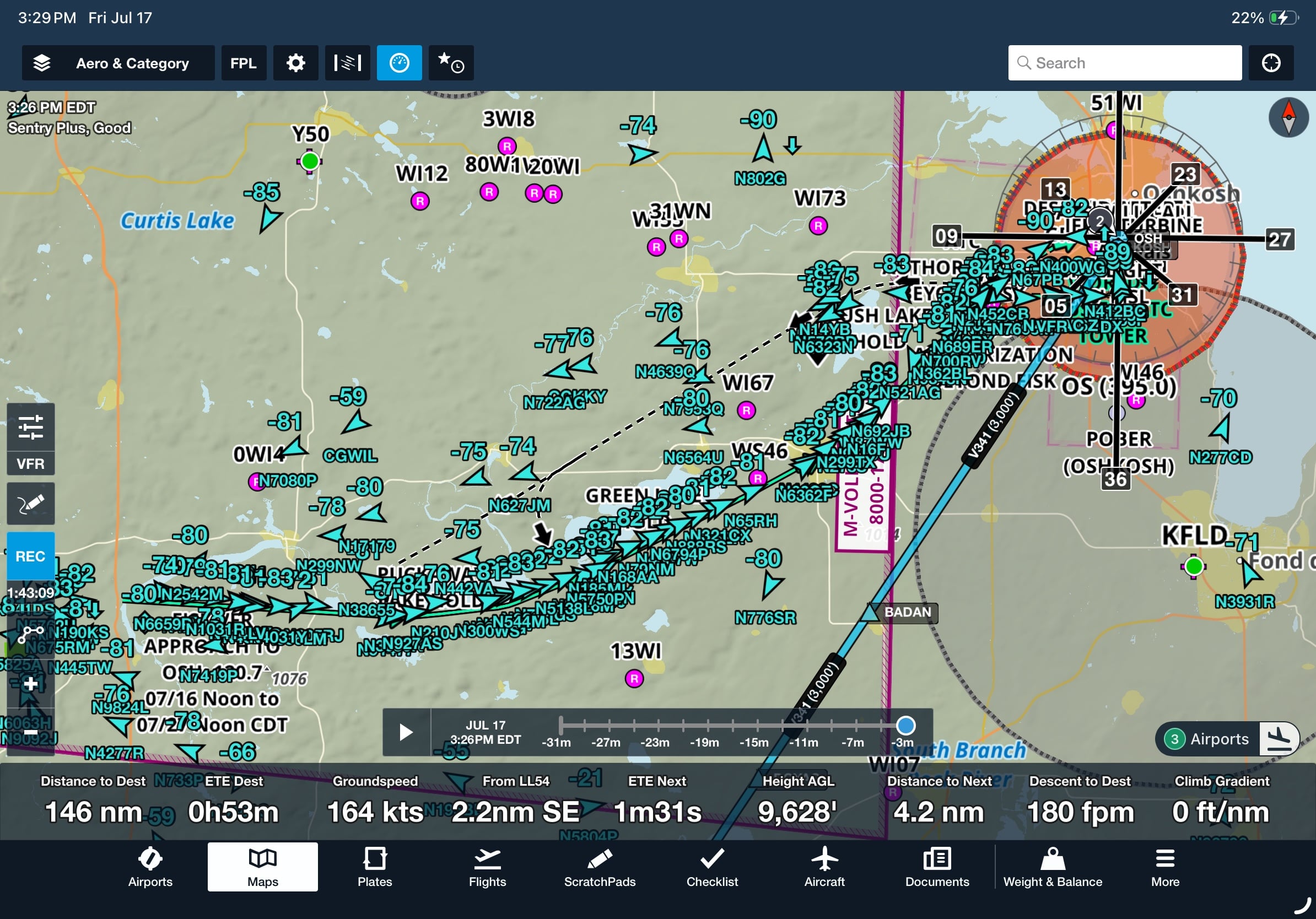
Once past Chicago, the storms dissipated but then the smoke returned, and by the time we neared Oshkosh, visibility sure seemed lower than the visual conditions that opened the airport for VFR arrivals. Looking at the ADS-B traffic on ForeFlight, we could see the VFR traffic building, arriving en masse from west of Oshkosh. It was clear that pilots had been waiting for Wittman Regional Airport (KOSH) weather to improve to marginal VFR and took off from airports all over the place all at once, trying to make it to KOSH before the airport closed at 8 p.m.
There is no shortage of YouTube videos about the chaos that ensued, with pilots who clearly hadn’t read the Oshkosh notice gumming up the works, but the amazing controllers on the ground and in the tower kept everyone from running into each other and managed an incredible number of arrivals in a short period of time.
Craig and I wondered whether we would be kicked out of the IFR system and relegated to joining the VFR conga line, and we were prepared for that. But the approach controller vectored us onto the Runway 27 RNAV approach and switched us to the tower as we neared the runway. While it officially was VFR by then, we were pointed directly into the sun, and visibility in that direction was less than a mile.
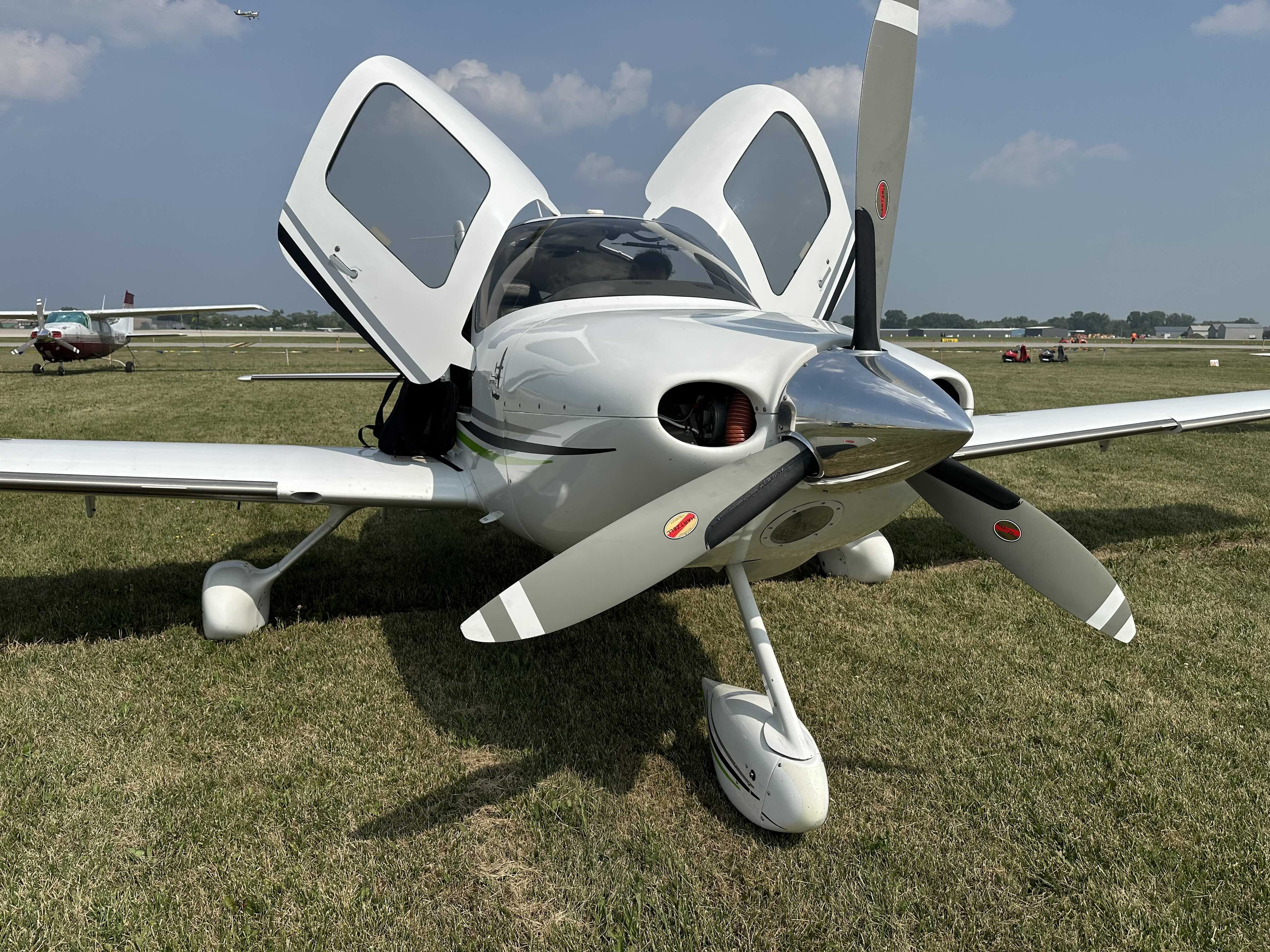
The tower controller asked us to land on the numbers, and Craig skillfully managed the SR22’s descent and final approach speed to plant the wheels right on the big white “27.” It was a great relief to get off the runway and into our parking spot near the Basler Flight Service FBO. The Basler team was super helpful with tugs and baggage carts to bring us to the terminal.
Later, I watched a YouTube video posted by Canard Boulevard, which was a recording of a pilot’s flight into Oshkosh on July 19, when the weather was still smoky, two days after our flight. ATC had set spacing to two miles from the normal half-mile. In good weather, there are two levels for Oshkosh arrivals: 1,800 feet and 90 knots, and 2,300 feet and 135 knots. On the days with poor visibility, ATC closed the 2,300-foot level because controllers on the ground couldn’t spot airplanes that high in the smoke, so when visibility was poor, everyone had to fly at 90 knots and 1,800 feet with two-mile spacing, pushing the line of aircraft tens of miles to the west.
Unfortunately, there were many instances of pilots talking on the Fisk approach frequency, ignoring the instructions of the Oshkosh notice just to monitor the frequency. “No verbal responses are required,” the notice says.
At one point, a controller pleaded, “All aircraft on the frequency, I need the frequency cleared.”
Someone immediately responded, “People aren’t maintaining the speed; we’re dying back here.” Others chimed in, telling other airplanes to break off for various reasons. Some of the transmissions sounded rude, and controllers kept trying to clear the frequency.
“Be quiet!” one pilot yelled.
“76X-ray, you cut half the line off,” another opined.
“That one just cut us off.”
“No, I did not.”
Controller: “We need the frequency, we need the frequency, cut the chatter, guys.”
Controller: “Over Fisk, turn left, turn left, turn left.”
Pilot: “I cannot turn left, I’m already overheating, and that guy just cut me off.”
Controller: “Silver and orange, turn left.”
Pilot: “Silver and orange cannot, we’re running out of fuel.”
Controller: “Hey, hey, hey, everybody listen up, we’re trying to get you in trail. Do not, do not be scolding each other on frequency, please. We don’t need that; we need the frequency to sort you out. Give us the frequency to work with you so we can get you to where you want to be. We’re here to help; let us help you.”
Despite the chaos caused by the smoke, which lingered through the weekend arrivals before the Monday, July 20 show opening, there were no accidents, and KOSH filled up with the thousands of aircraft that typically show up each year. In fact, this year’s show was a record-breaker, according to the Experimental Aircraft Association, with the highest number of attendees ever at 734,000. From noon CDT on July 16 to noon CDT on July 27, there an average of 101 takeoffs/landings per hour when KOSH was open.
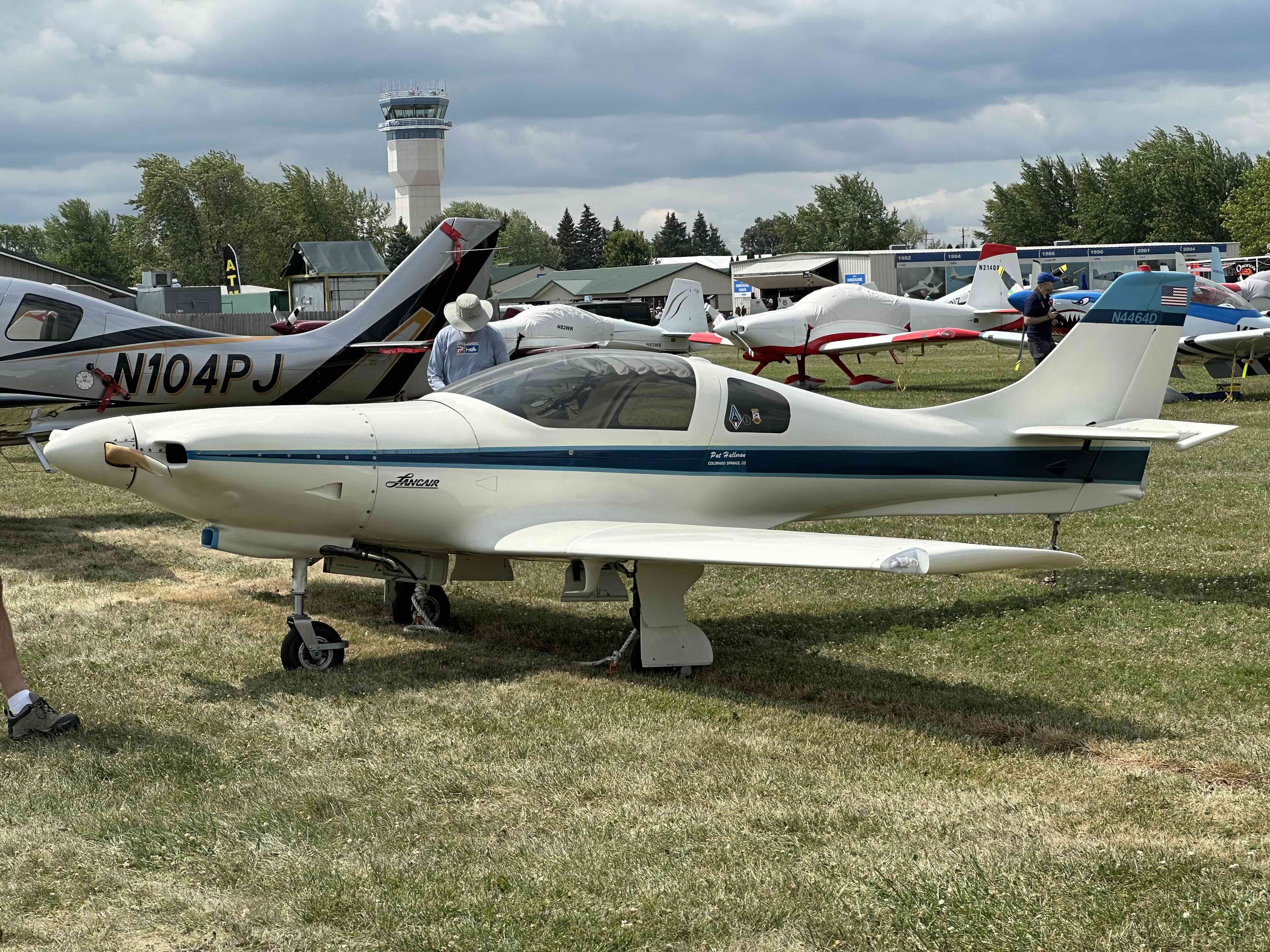
An extraordinary crew of 6,000 volunteers donated 300,000 hours to help keep the show running smoothly, and the1,021 commercial exhibitors also broke a record this year.
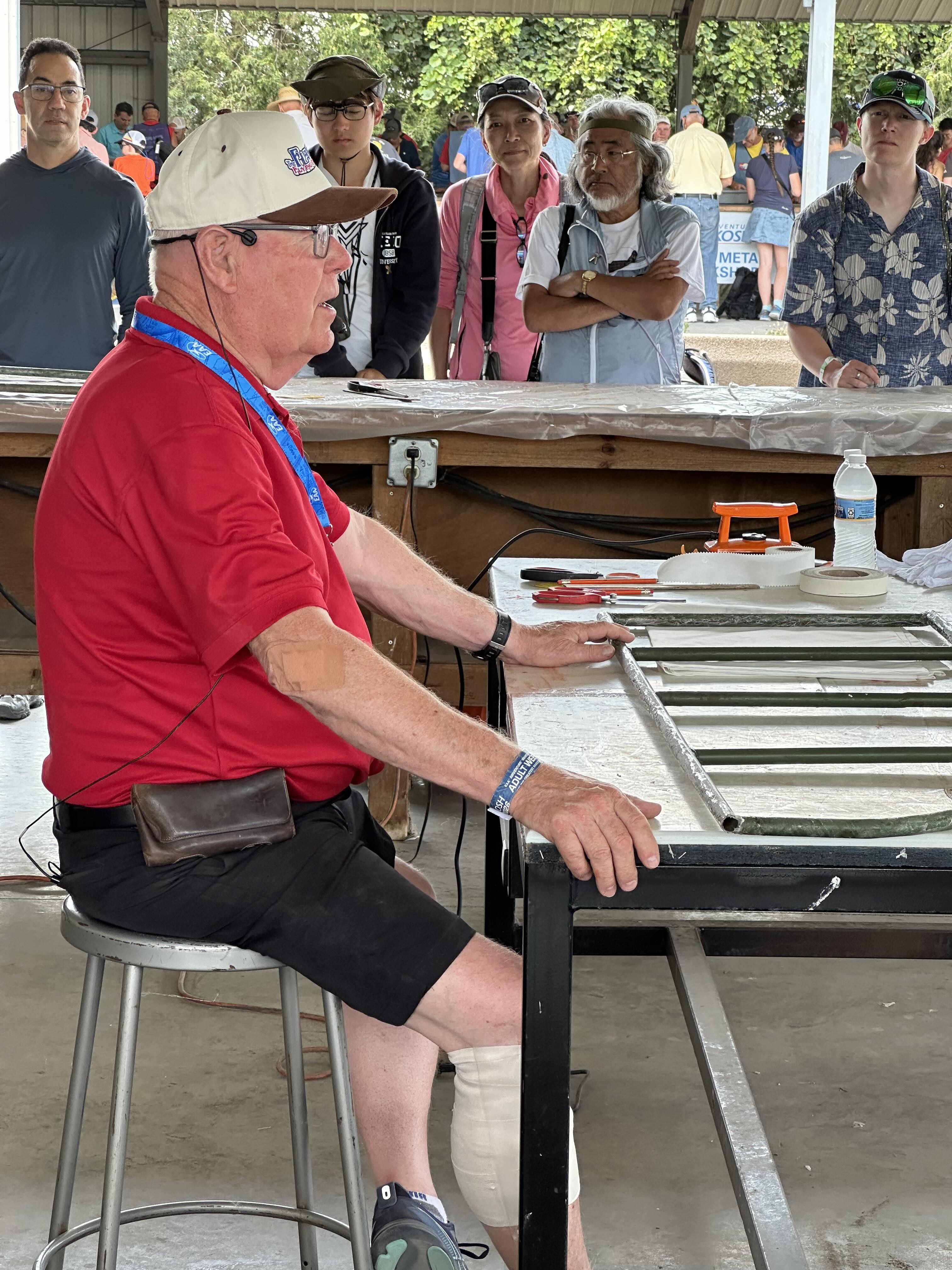
While there was plenty of interesting news, presentations, and exhibitor visits during the show to keep me busy, for the first time I carved out time to attend one of the many free workshops at Oshkosh. This one was a fabric-covering workshop put on by Poly-Fiber, and it reminded me of the incredible opportunity these workshops offer to Oshkosh attendees. There is zero extra charge to attend all the workshops, which include welding, woodworking, sheet metal, and others.
In the workshop I attended, we got to cover a steel tailfeather (it could have been a rudder or elevator) using the Poly-Fiber process. The instructors were extremely patient and knowledgeable, and I learned a lot about work that I plan to do more of on some of my projects. All of the materials, including the fabric, glue, and paint, were completely free of charge, and I even got to take home some scrap fabric.
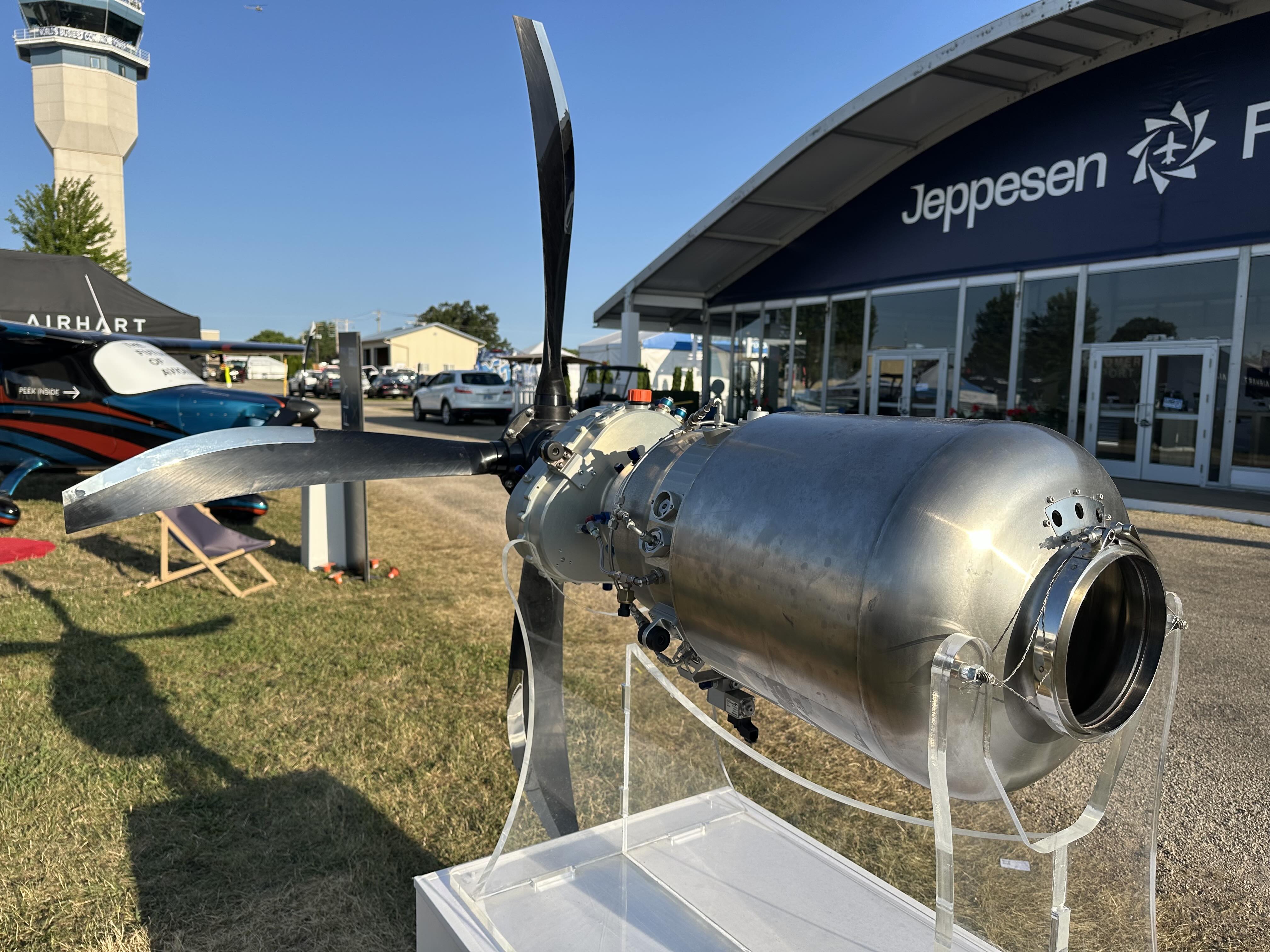
The big news this year was the FAA’s release of the new Part 22 MOSAIC regulations, which are industry consensus standards for a new series of aircraft with expanded performance and powerplant options. Surprisingly, one of the directions that aircraft manufacturers are pursuing with new MOSAIC-compliant designs is lightweight multi-engine airplanes, although there is also a lot of interest in small turbine engines, with CubCrafters first out of the gate with the turboprop-powered Carbon Cub ULT. Retailing for $690,000, the ULT is powered by Turbotech's TP-R150 engine.
Van’s Aircraft was the first manufacturer to deliver a MOSAIC-compliant airplane, an RV-12 iS that is also IFR-capable.
While it isn’t a MOSAIC design, ultralight manufacturer Hummel Aircraft showed off the tiny twin-engine ultralight Multicruiser. Powered by two counterrotating, 23-hp, two-stroke Simonini Mini-4 engines, the Part 103-compliant twin maxes out at 550 pounds and cruises at 63 mph, with a stall speed of 23 mph.
As an ultralight, the Multicruiser has a fuel capacity of five gallons, so each engine is served by a 2.5-gallon fuel tank mounted on top of the engine, which somewhat limits range. Fuel burn ranges from 1 to 1.5 gph.
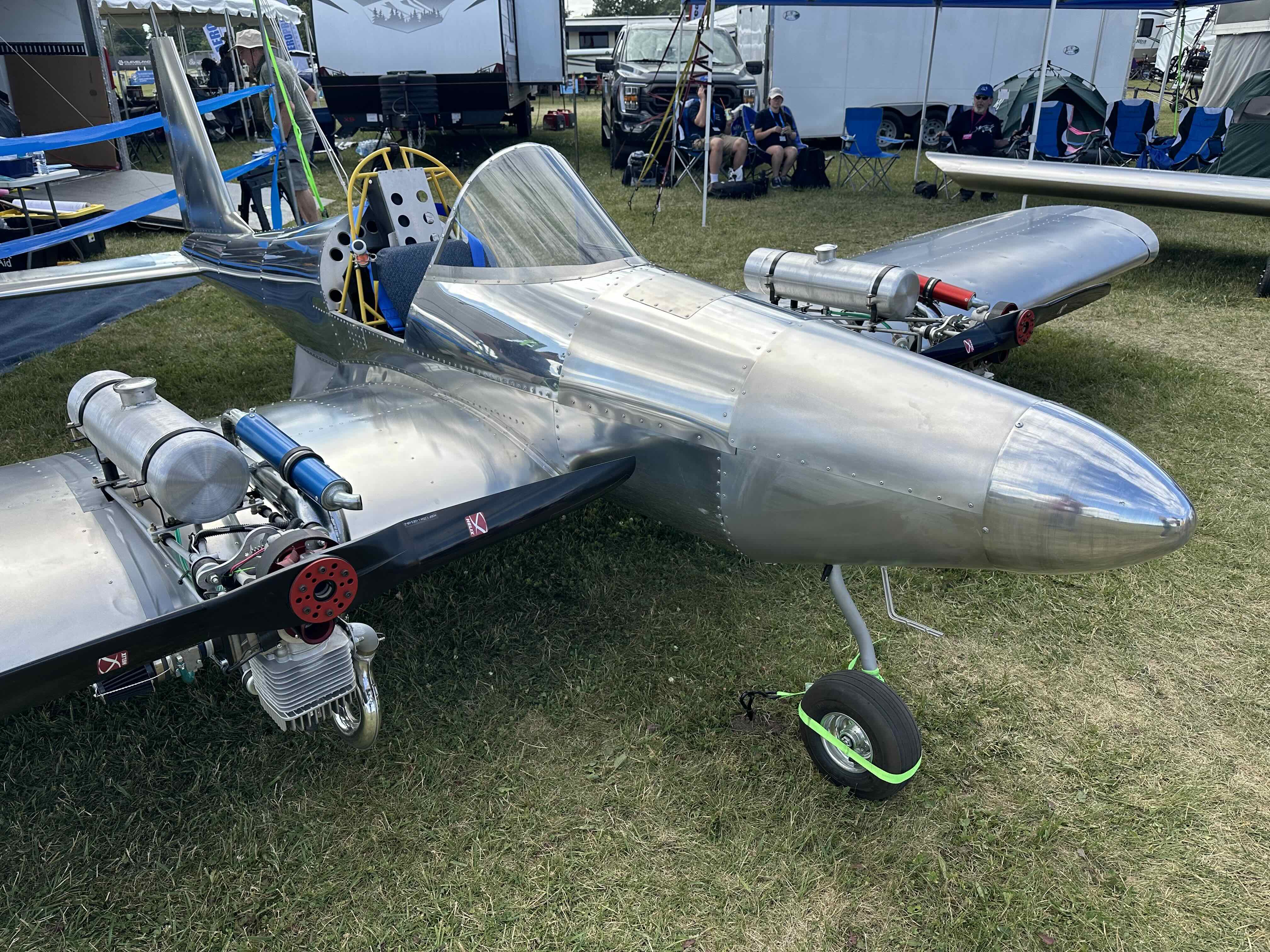
The big question for the Multicruiser is whether pilots can log multi-engine time. Part 103 ultralights do not hold an airworthiness certificate, and flight time logged in them can’t be recorded for pilot ratings or certificates nor for currency. However, the Multicruiser could be built as an experimental light sport aircraft or experimental amateur-built, in which case the time would be loggable. Price of the Multicruiser kit is $30,750, plus $7,750 for the engines (firewall forward kit).
Sling Aircraft teased a new multi-engine design: a four- to six-seat MOSAIC-compliant twin powered by Rotax 916 iS engines and with a whole-airplane parachute, but few details were available at Oshkosh.
Probably the most interesting new design at Oshkosh was Jabiru’s J432, which it flew to the show. While pilots flying under the sport pilot rules can’t fly multi-engine airplanes, the J432 could offer private pilots and above with multi-engine ratings an opportunity to log twin-engine time for a much lower cost.
The fixed-gear J432 has four seats and features two pod-mounted 80-hp Jabiru GEN4 2200 piston engines. With maximum endurance of 4.5 hours, the J432 can cruise at 125 knots and burns about 8 gph. Mtow is 1,675 pounds, and useful load is 617 pounds, with fuel capacity at 36 gallons.
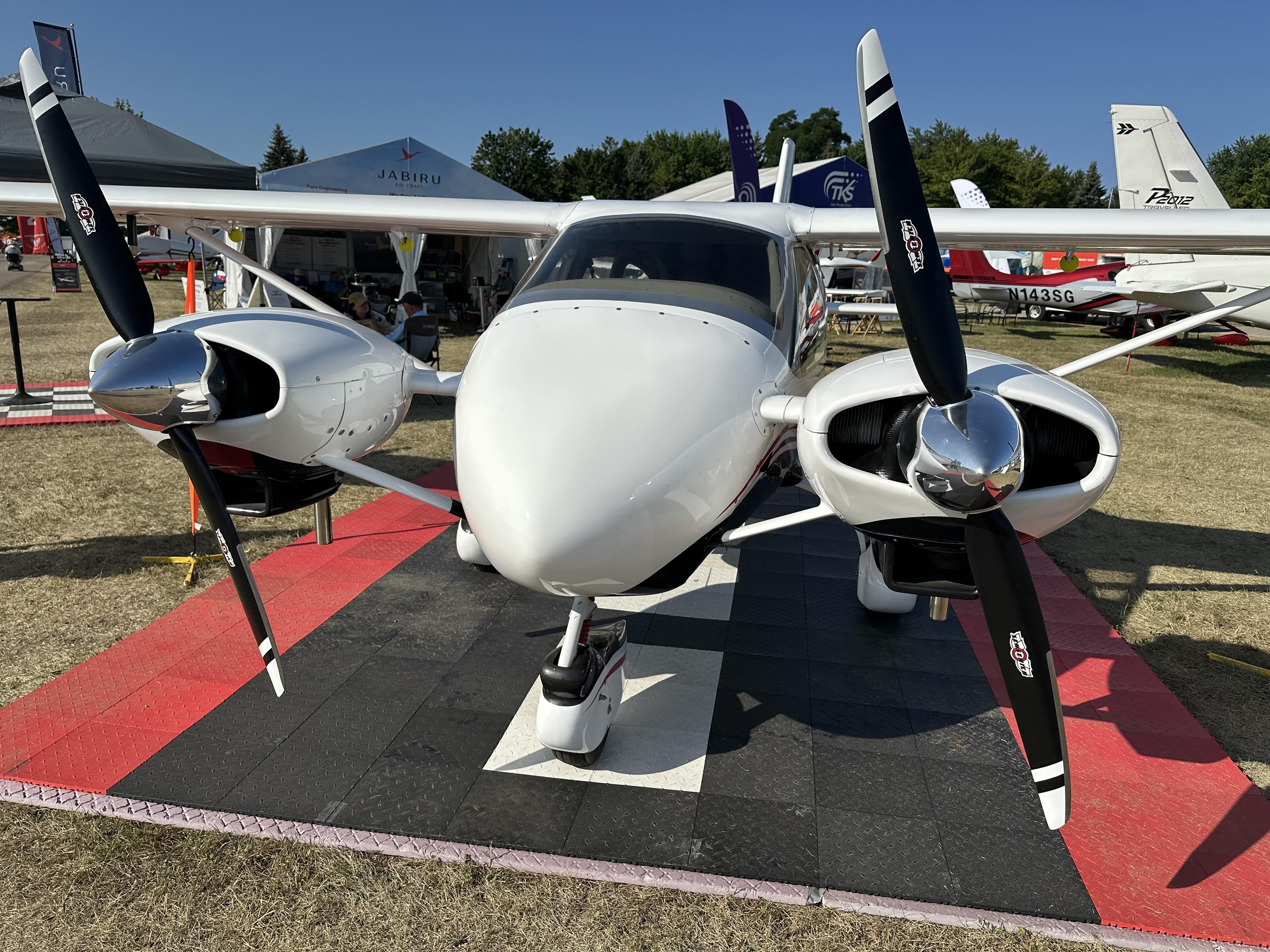
Jabiru plans to make the J432 available as a factory-built, as well as a kit or builder-assist experimental airplane. Price for a VFR version will be $485,000, or $550,000 for IFR, with Dynon or Garmin avionics.
Walking around the exhibit halls, I couldn’t help but notice that there are a lot of new companies developing products that will bring new low-cost instruments and ADS-B receivers to the general aviation market. The cost of a noncertified display that includes an attitude indicator and other instruments was a show special at $849 at the RAD Aero booth. The ADSBee Winglet is an ADS-B receiver with a traffic display, tri-band receiver, and CO sensor, with a planned price of $495.
Another interesting development is companies that are working on nonproprietary engine monitors. The idea is that an aircraft owner could choose whatever sensors they prefer and hook them up to the engine monitoring system, without having to buy proprietary sensors from one company. This could greatly lower the cost of engine monitors, which are becoming more popular.
As usual, there was much more to see and do at Oshkosh, and I’m sure I barely scratched the surface, so I will have to come back.