Click Here to View This Page on Production Frontend
Click Here to Export Node Content
Click Here to View Printer-Friendly Version (Raw Backend)
Note: front-end display has links to styled print versions.
Content Node ID: 432816
Cirrus Aircraft today unveiled the G3 Vision Jet (Generation 3) with more than 30 new features, such as seating for six adults and one child, air traffic control datalink, new interior trims, and other refinements. Deliveries of the G3 are now underway.
AIN flew the G3 on January 26 and experienced many of the new features, including a series of controller-pilot datalink communications (CPDLC) messages during a round-trip flight from Hillsboro Airport (KHIO) near Portland, Oregon, to Jack McNamara Field (KCEC) in Crescent City, California. While the G3 Vision Jet performs the same as the previous model, the G2+, the new features add convenience, safety benefits, and an increase in maximum Mach operating number (MMO) at cooler temperatures.
Cirrus has delivered more than 700 Vision Jets since it entered service in 2016. Many of the new features are exclusive to the G3, although the avionics upgrades will be available on previous models, according to Matt Bergwall, Cirrus executive director for the Vision Jet product line.
Seating Improvements
The expanded seating area is made possible by a new bench seat for the rearmost row, and it can accommodate two adults on the sides and a child or small person in the center. This expanded seating is an option available with the Arrivée trim, the only one available with the G3 Vision Jet.

Previous generations fit one adult and two children in that row. The two center seats are moved about 2 inches forward to give the rear-row passengers extra legroom, and the center seats now have wells in the back for rear-seat passenger feet. As with earlier models, the center and third-row seats are easily removable if more space is needed with a lighter passenger load.
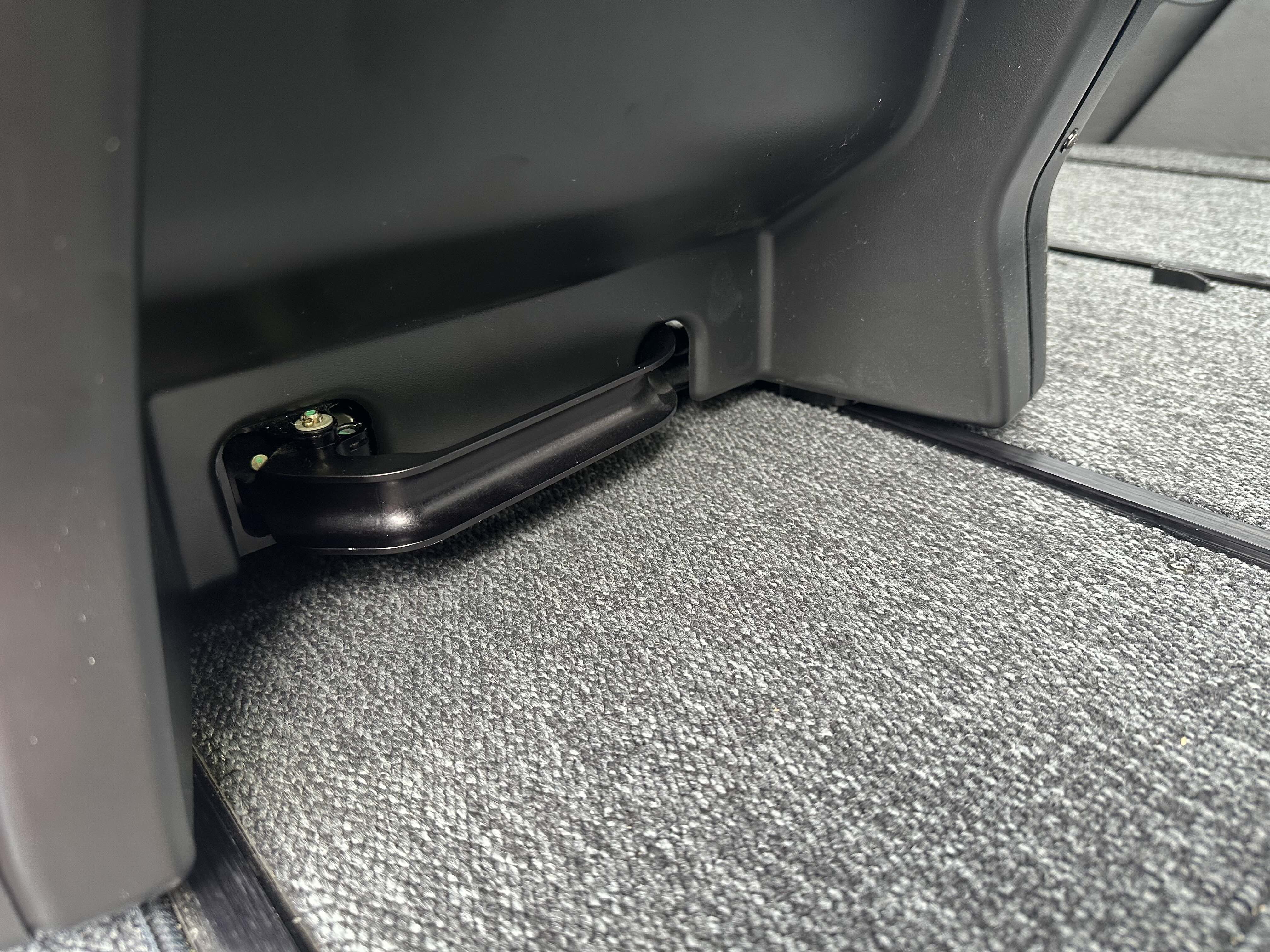
To make entering the cabin easier, both pilot and copilot seats have a new handle for moving the seat fully forward or aft with one hand.
Seats are bolstered for added support in the headrest, armrests, and knee area. New armrests fold away conveniently with a single move from deployed to tucked away. G3 seats are all fitted with a hardshell back and hand-wrapped Alcantara, a suede-like material. The Arrivée level trim adds carbon fiber.
The seat redesign eliminates what Bergwall called “the Cirrus crinkle,” something that passengers noticed when moving in the rear seats. The original honeycomb under the seats, needed to absorb force in case of a Cirrus airframe parachute deployment, sometimes made a crinkling noise. “We tightened up that honeycomb so we don’t have that crinkle anymore,” he said.
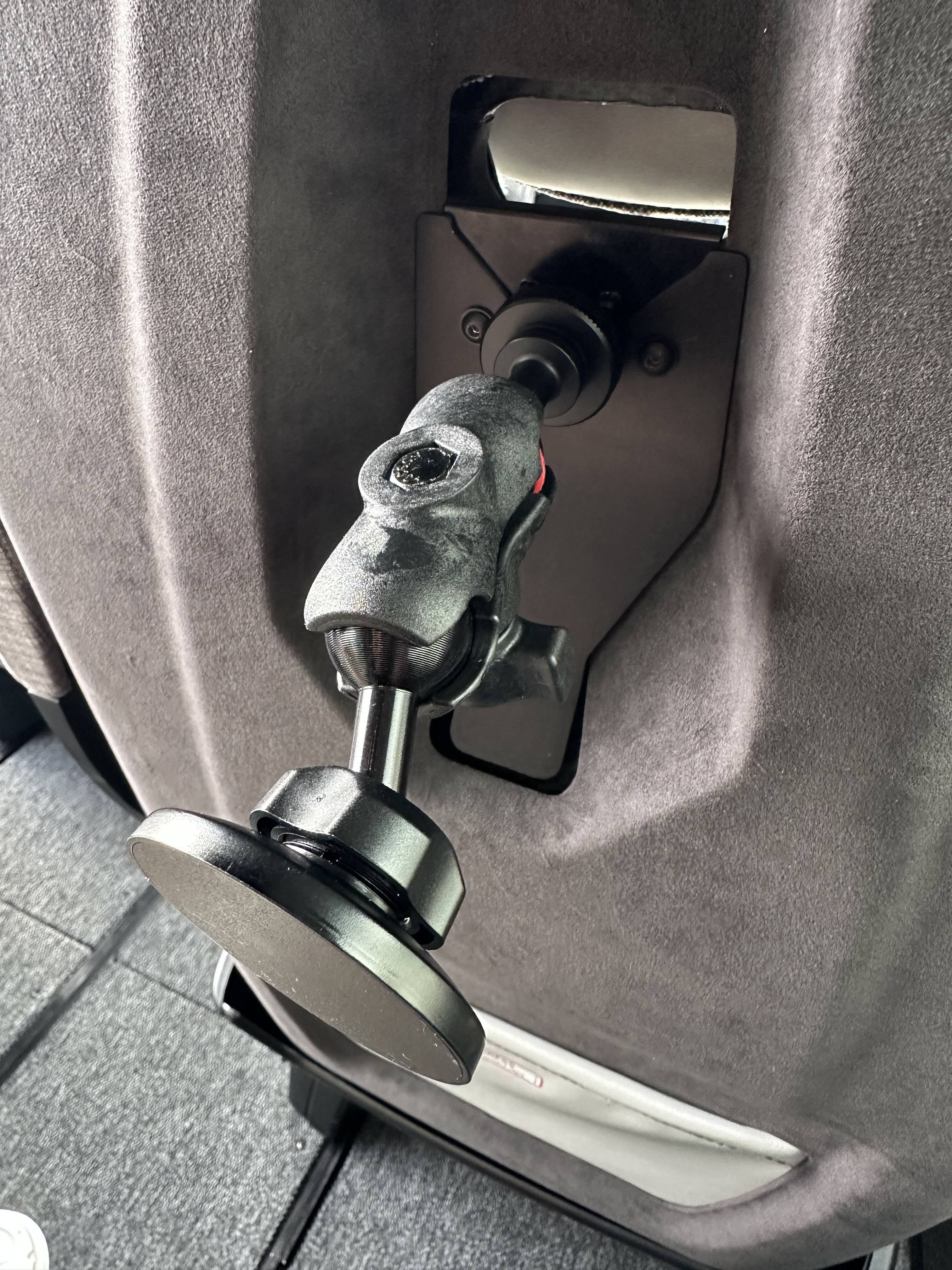
On the backs of the seats, a removable carbon fiber insert covers a cold-shoe mount that can be used for various types of mounting systems—for example, a Ram mount with a magnet to hold a phone, or a camera mount. The overhead TV screen is gone, because passengers usually use their own devices for entertainment purposes.
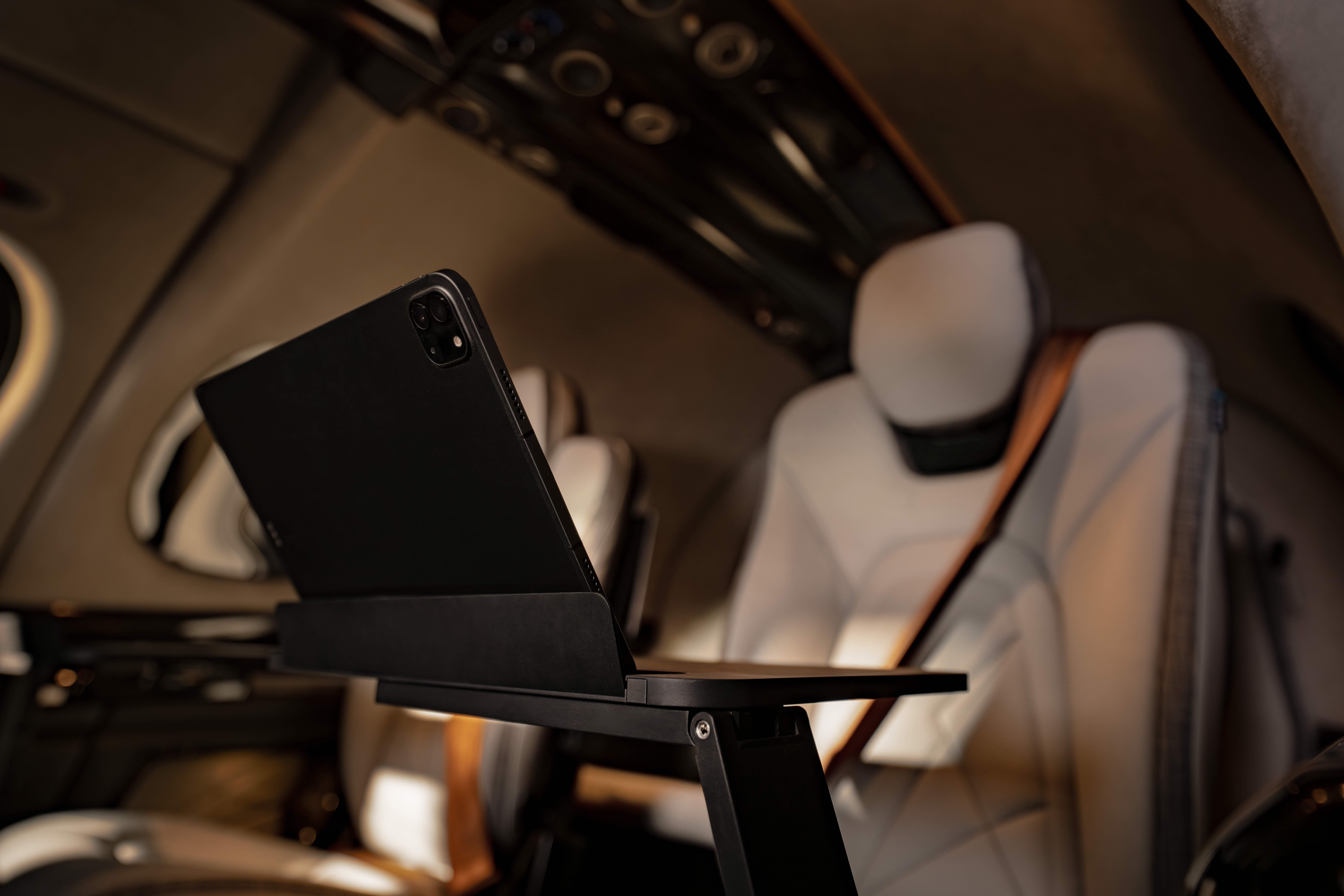
Space between the center seats opens up with tray tables that tuck into the sidewall, eliminating the bulky center console that houses the tray tables on earlier models. The new tray tables have a flip-up device holder to hold smartphones and tablets.
External Changes
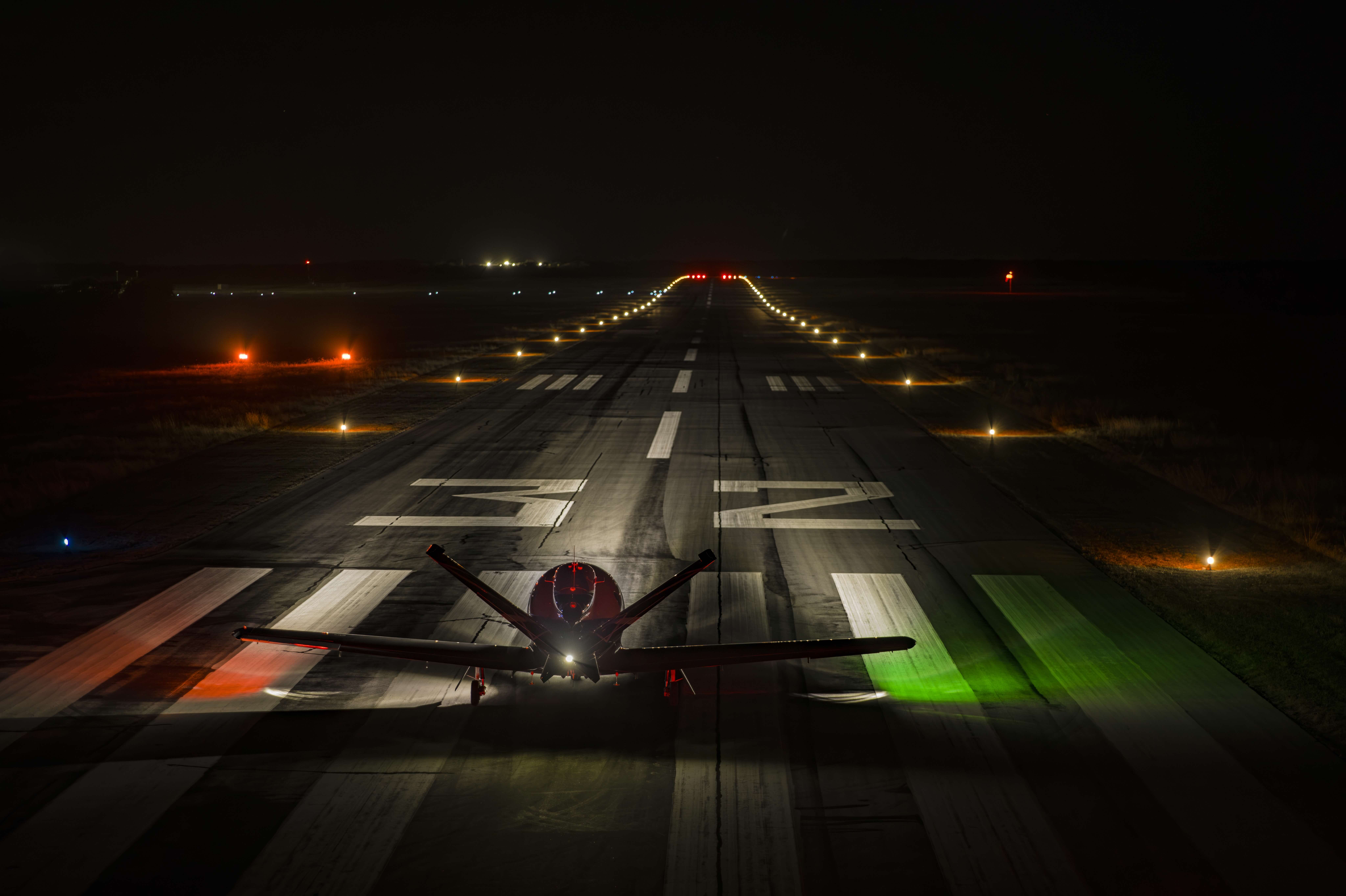
On the outside of the Vision Jet, a new feature is the Spectra wingtips with landing lights that are 2.7 times brighter and halo lights on the wingtip edge, something that was adopted from the SR series piston singles.
New deicer boots give buyers the option of silver or black rubber, and the black boots make it easier to maintain a clean appearance.
On the right side of the Vision Jet’s nose, the air conditioner door has been replaced with a vented louver that eliminates the noise change that was noticeable when the system switched on.
For pilots, new avionics features bring added safety and convenience. During our flight from KHIO to KCEC and back, Bergwall showed me how to logon to the CPDLC network after takeoff. We couldn’t test the digital clearance (DCL) capability because it’s available at just 65 U.S. airports that generally don’t include non-airline facilities like KHIO. DCL is available at nearby Portland International Airport (KPDX) and airports such as Teterboro (KTEB), and Bergwall has used that capability and appreciates being able to get IFR clearances sent directly to the avionics.
Datalink Benefits
After getting a logon acknowledgment from air traffic control, we received frequent datalink messages for frequency changes, reroutings, and new altitudes. Once received, we could simply acknowledge the message and send it directly into the avionics—called push-to-load—and avoid having to type in the new frequency, altitude, or route.
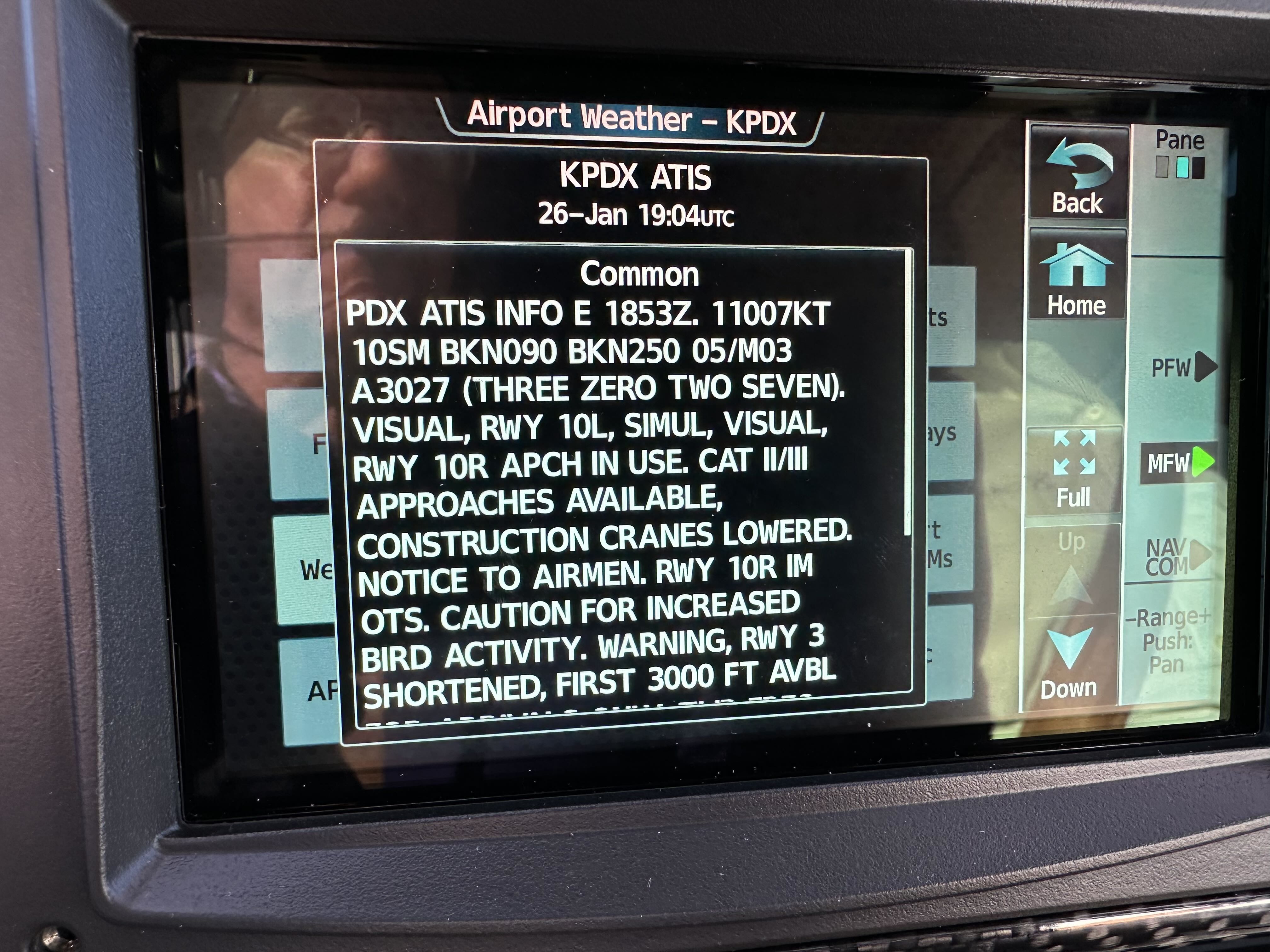
The datalink messaging provided clear benefits, including not having to memorize or write down an instruction, avoiding asking “say again” if a radio call wasn’t understood, and a quick way to input the information into avionics. Of course, it’s still incumbent on the pilot to verify that the information is correctly entered and acted upon. Digital ATIS is another benefit of datalink communications capability.
Cirrus’ IQ Pro Advanced adds another convenience feature: Automatic Database Updates. Flight times are now all-digital, with no more analog Hobbs meter, and go right into the Cirrus IQ app.
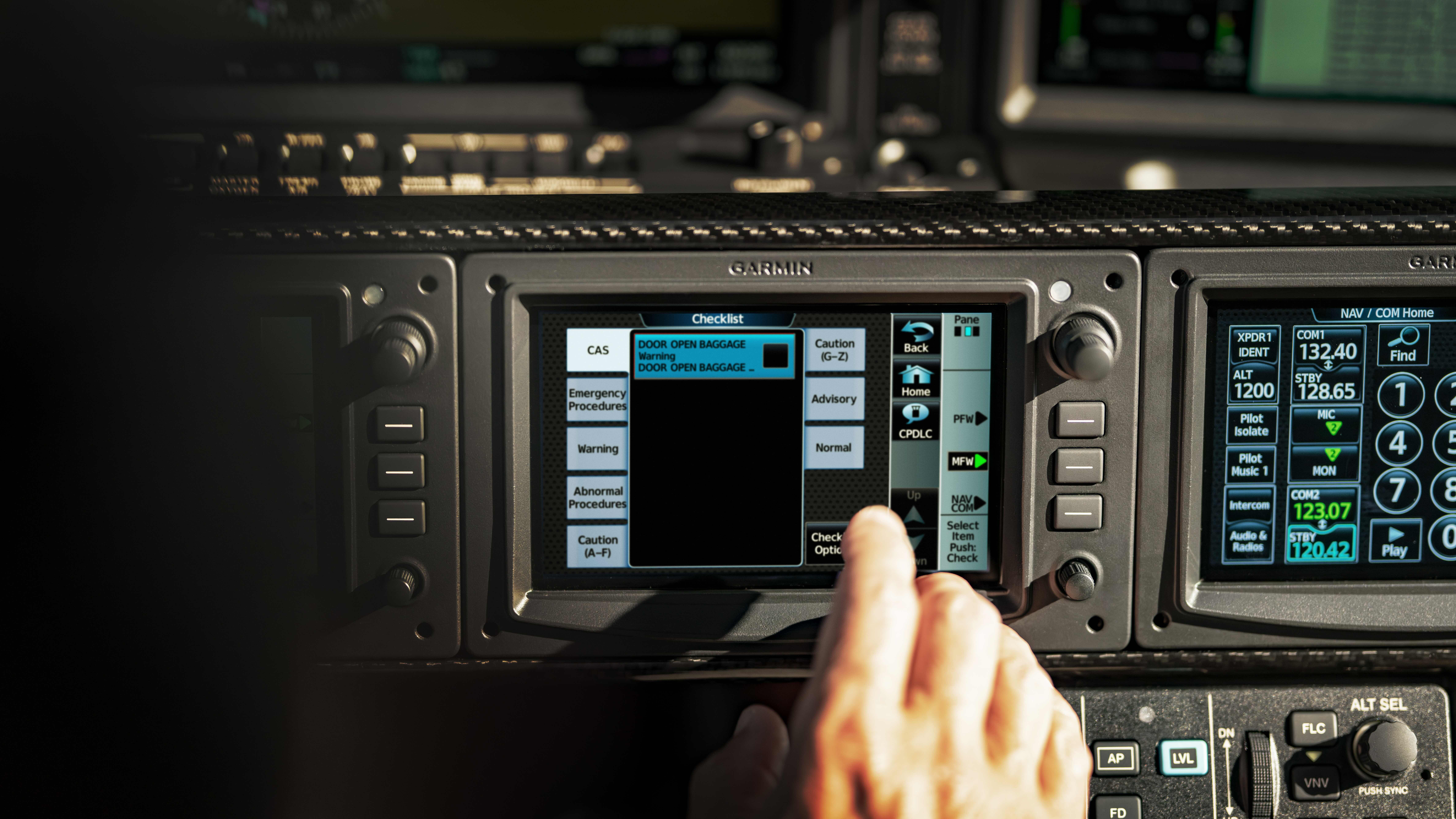
A safety-enhancing feature is the alerts-linked checklists. When a caution or warning message pops up on the primary flight display (PFD), it provides quick access to the relevant checklist. This will be a great help during a potential emergency situation and is a feature available on many larger business jets.
Other new avionics features include automatic switching to standard baro setting when climbing through 18,000 feet, and the ability to present the altimeter setting during descent, then automatically set it when descending through 18,000 feet. Runway awareness and advisory system is another new feature, along with a best glide indicator.
Flying the G3
While we received our taxi clearance from the Hillsboro ground controller, Bergwall showed me how I could plug into the taxi route. By touching the applicable button on the Vision Jet’s Garmin Perspective+ Touch touchscreen controller for each route instruction, I was quickly able to build the entire route to the takeoff runway end. The route was also depicted on the Garmin 3D SafeTaxi display, which showed each leg depicted as arrows pointing the way. This would be a huge boon at an unfamiliar airport.
We didn’t climb to the Vision Jet’s maximum altitude of FL310, so I didn’t get to see the new MMO feature in action, but the new capability allows the engine to develop maximum power at cooler temperatures, boosting maximum speed in certain conditions by 7 knots. In the previous Vision Jets, Bergwall said, “When [conditions were] cooler, we were Mach-limited.”
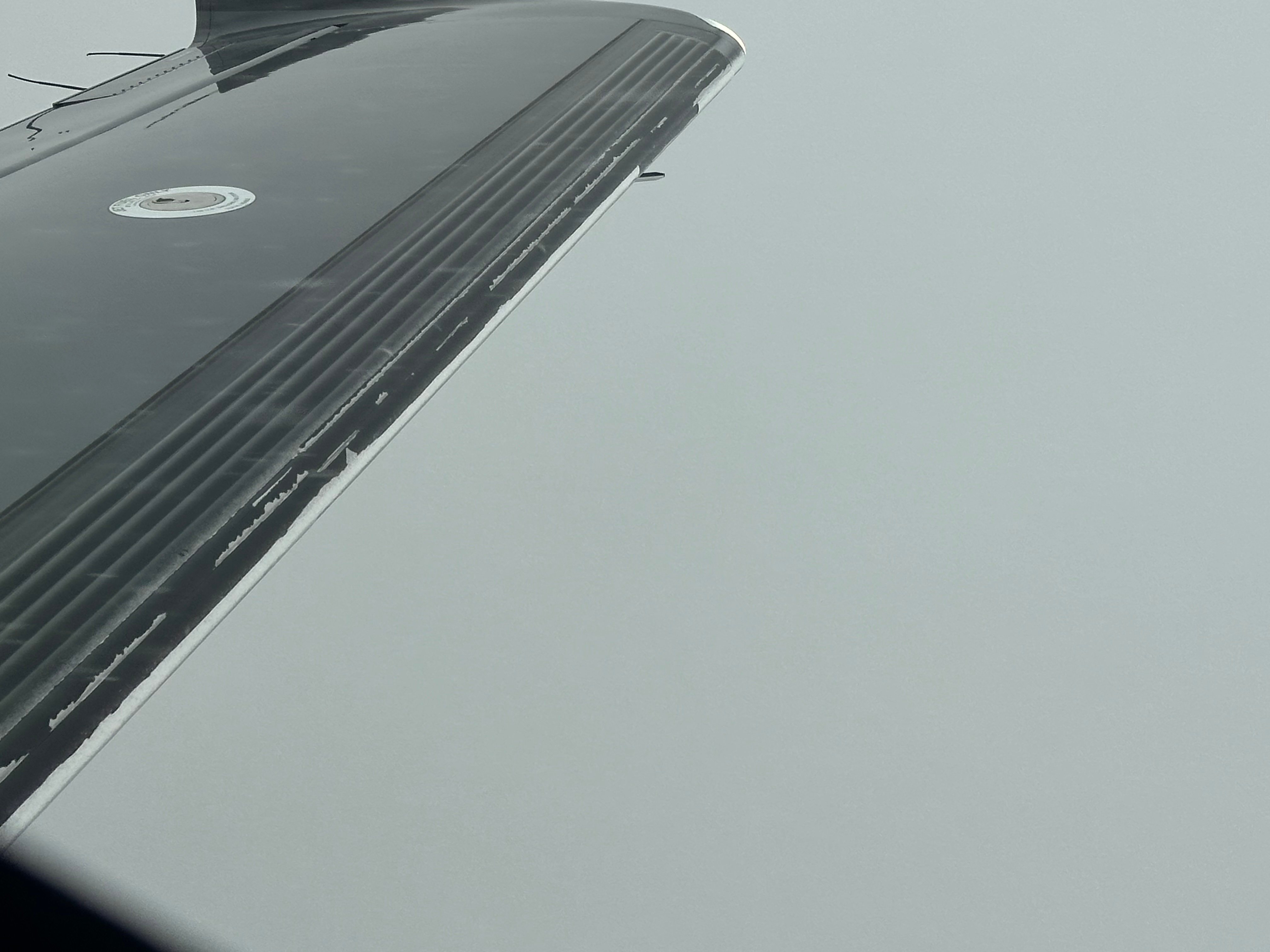
During the flight to KCEC, we climbed to FL230, where we maxed out at Mach .538 and burned 83 gph with a cabin altitude of 4,520 feet. We picked up a bit of mild icing in the medium-level clouds that blanketed the area, but it quickly popped off when I switched on the new black deicer boots.
Pulling up the chart for the RNAV (GPS) Rwy 12 approach on the right pane of the PFD, it was soon time to descend. The vertical situation display on the multifunction display (MFD) helpfully showed our top-of-descent point and surrounding terrain, adding to the great situational awareness we were afforded, along with that available from the Garmin Synthetic Vision Technology on the PFD.
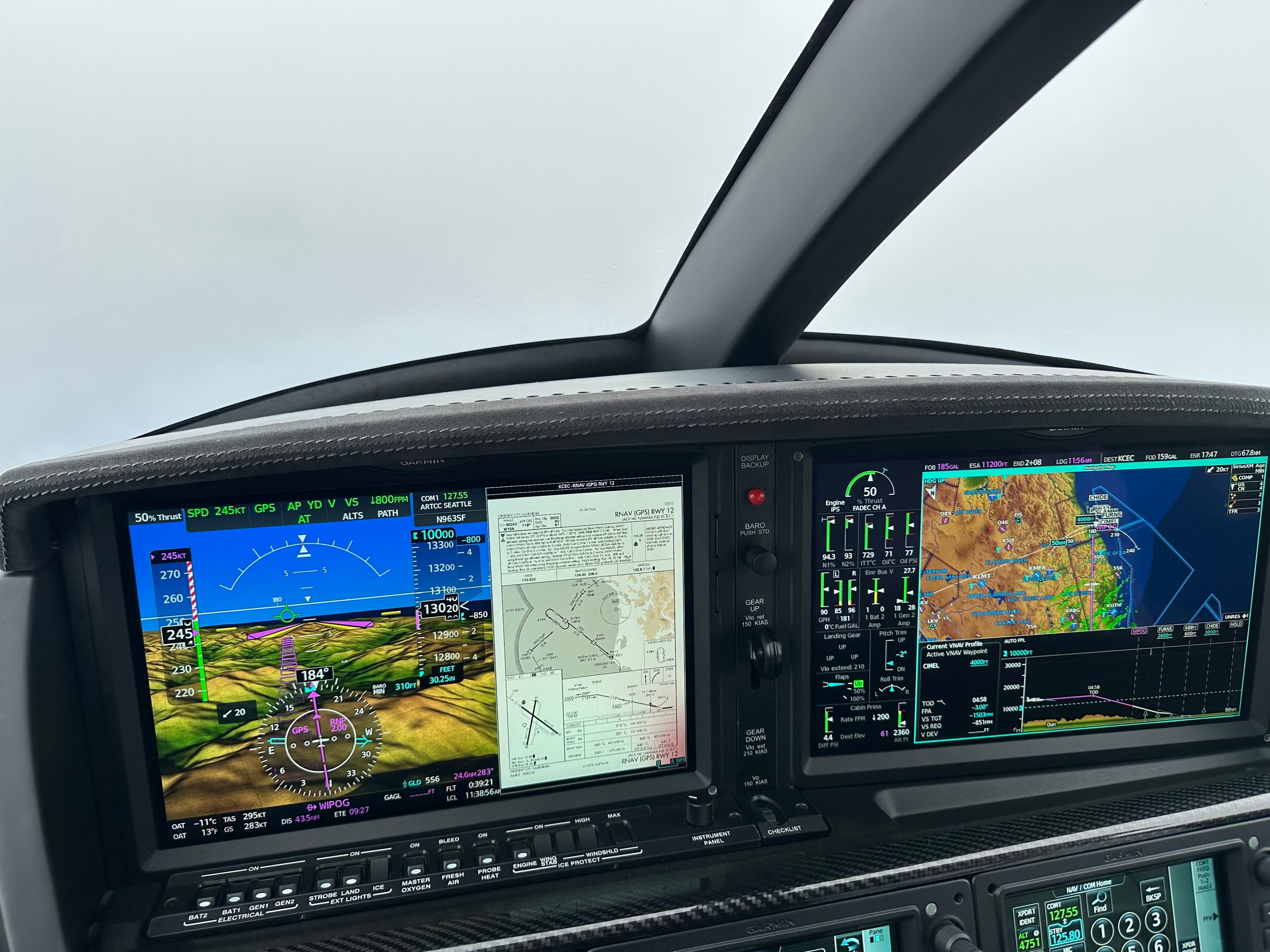
Checklists are managed with a scroll wheel conveniently mounted on the subpanel between the PFD and MFD. Pushing the center of the wheel pulls up the checklist, temporarily replacing the chart on the side pane of the PFD.
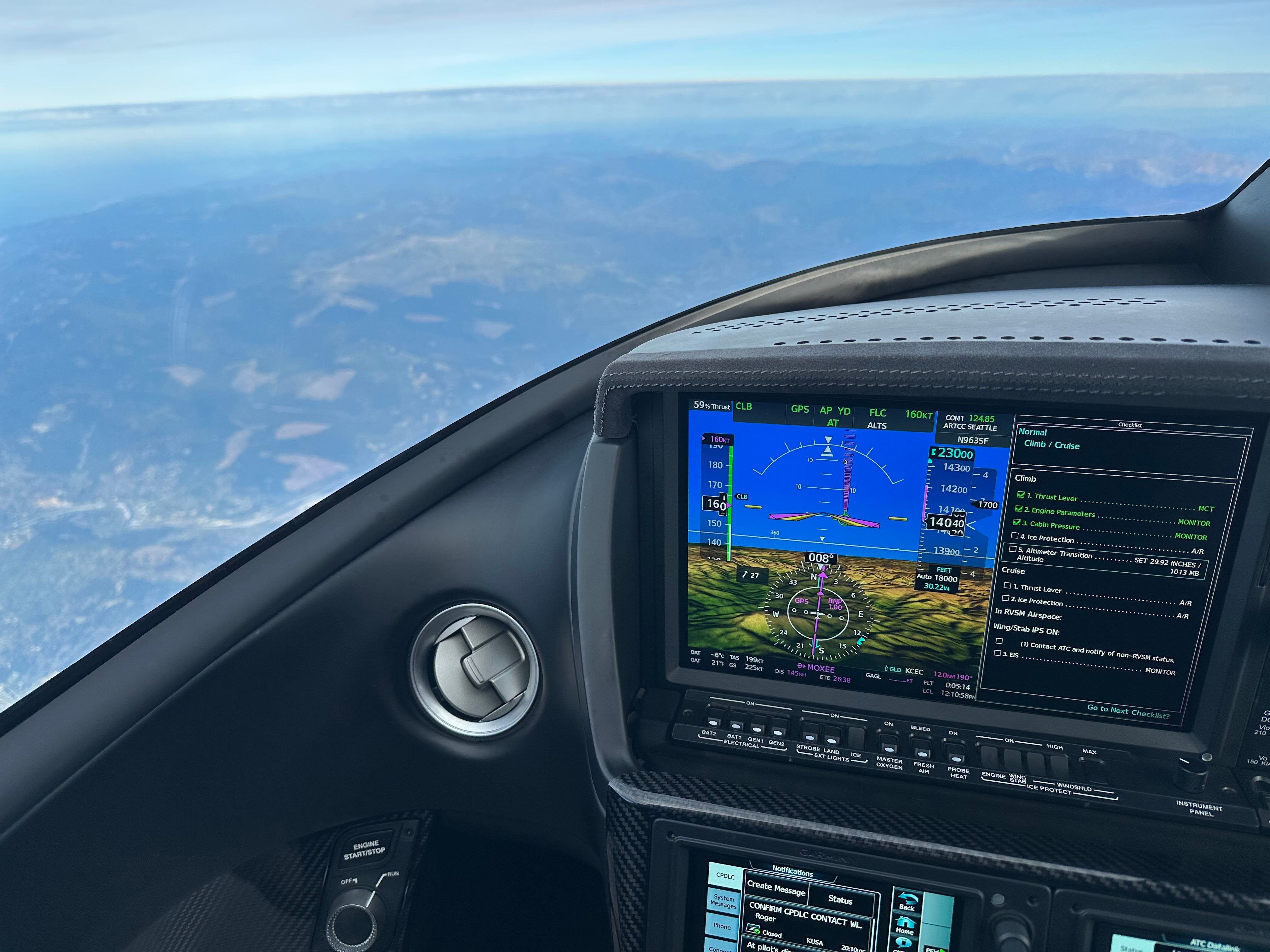
With the Vision Jet’s autothrottle and autopilot engaged, we descended along the VNAV path until intercepting the final approach course. After tracking along the RNAV approach’s vertical and lateral flight path for a bit, I clicked off the autopilot and autothrottle so I could get refamiliarized with the jet’s handling in the 90-degree, 12-knot crosswind before landing. With landing gear and flaps down, I followed the flight director guidance down to the runway, crabbing to compensate for the crosswind. I had to add a little power as I let the jet get a little slower than the green donut-bugged Vref speed, and the Williams International FJ33-5A engine responded promptly. Straightening out once near the runway, my touchdown wasn’t the smoothest, and I could have helped the nose drop slightly later to avoid clunking it down, but it’s better to have all the weight on the wheels, especially in windy conditions, to minimize runway used. Landing with a crosswind wasn’t completely necessary, but I wanted to experience the Vision Jet’s handling in the wind.
We had plenty of fuel onboard, so I taxied back for takeoff, this time into the wind on Runway 18. We took off VFR, then picked up our IFR clearance in the air and returned to FL230 for the flight back to KHIO. During this leg, the datalink messaging from ATC came hot and heavy, once again proving its worth and highlighting the benefits of non-voice digital communications.
More light icing clung to the deicer boots as we transited through the clouds and was easily dispatched, and we requested and then flew a GPS approach to Runway 31L. This time, I managed a smoother landing, a reminder of how easy the Vision Jet is to fly, even when compared to its piston-powered SR series siblings.
The new features in the G3 Vision Jet underscore the consistent improvement that Cirrus engineers have made to the platform. Existing and future Vision Jet owners are excited about upgrades, and this is evidenced by the fact that many return to buy the new model, while owners of SRs and other types keep the backlog healthy.
However, owners of earlier Vision Jets will be able to upgrade their avionics, including the datalink feature, which is becoming more of a requirement in European airspace.
The price of a new G3 Vision Jet with the Arrivée trim is about $3.6 million, roughly $160,000 more than the G2+ model.