Click Here to View This Page on Production Frontend
Click Here to Export Node Content
Click Here to View Printer-Friendly Version (Raw Backend)
Note: front-end display has links to styled print versions.
Content Node ID: 434123
Uncrewed aircraft systems (UAS) specialist Aeronautics is doubling the size of its production capacity as it responds to unprecedented demand for expanding drone missions. According to the Israeli company’s CEO, Dan Slasky, its focus is on providing versatile solutions bridging the gap between adaptations of lower-cost, less-resilient commercial drones and larger, more costly military platforms.
Aeronautics’ portfolio currently spans the Orbiter family, Dominator, Aerostar, and Octoper UAS with maximum takeoff weights ranging from 13 kilograms (29 pounds) to 1,900 kilograms (4,180 pounds) and with flight endurance of over 20 hours. The largest Dominator medium altitude long endurance (MALE) platform is based on Diamond Aircraft’s DA42 twin-engine fixed-wing aircraft.
Slasky told AIN that future product development work is focused on opportunities such as replacing helicopters for some naval missions. Aeronautics is also responding to requests for drone applications from army, air force, coast guard and border patrol clients.
Several recent contracts have specified the integration of a vertical takeoff and landing kit to support mission flexibility in being able to operate from vessels. Aeronautics has adapted models such as the Orbiter 2 to serve as a loitering munition which it says is hard for opponents to detect.
Lessons from Ukraine
“What we have seen in recent conflicts, such as Ukraine, is that larger drones are important in the battlefield, but they can be easily identifiable and shot down and cost a lot of money,” Slasky commented. “Our Orbiter family of UAS provide almost as much mission performance as larger aircraft but they don’t require runways, are harder to detect, and with much lower cost. Tens of thousands of drones currently fall [in combat] each month and are wasted, but we design for resilience from scratch.”
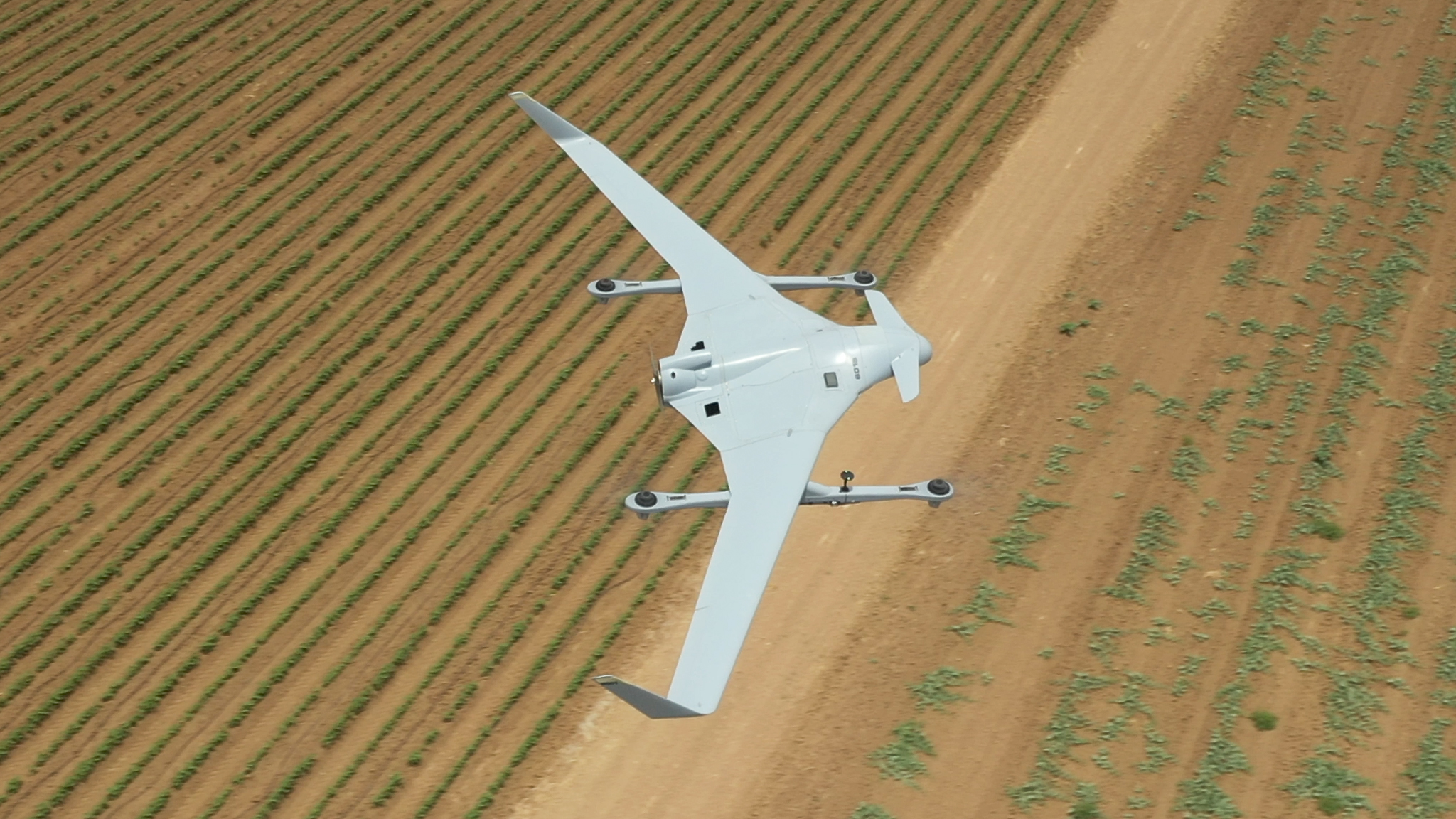
Aeronautics’ UAS are based on open architecture designs that the company says are best suited to integrating different payloads. These can include electro-optical sensors, radars, and signals and communications intelligence functions, some of which are provided by its subsidiary Controp.
“Over the past few years, we have managed to compress development cycles significantly with an agile, fail-fast approach that allowed us to move in a matter of months,” Slasky added. “We’ve even surprised ourselves in how we have been able to act outside the box to introduce new capabilities as requirements shift.”
Recent innovation has involved deploying artificial intelligence to manage the vast amount of data gathered by the UAS platforms. “This helps mission specialists to get what they most urgently need to know, reducing workload and keeping them focused,” Slasky explained.